

AI Motion Designer: Do You Still Need a Human Motion Graphics Designer in 2026?
By Malloy Studio - Published April 11, 2026
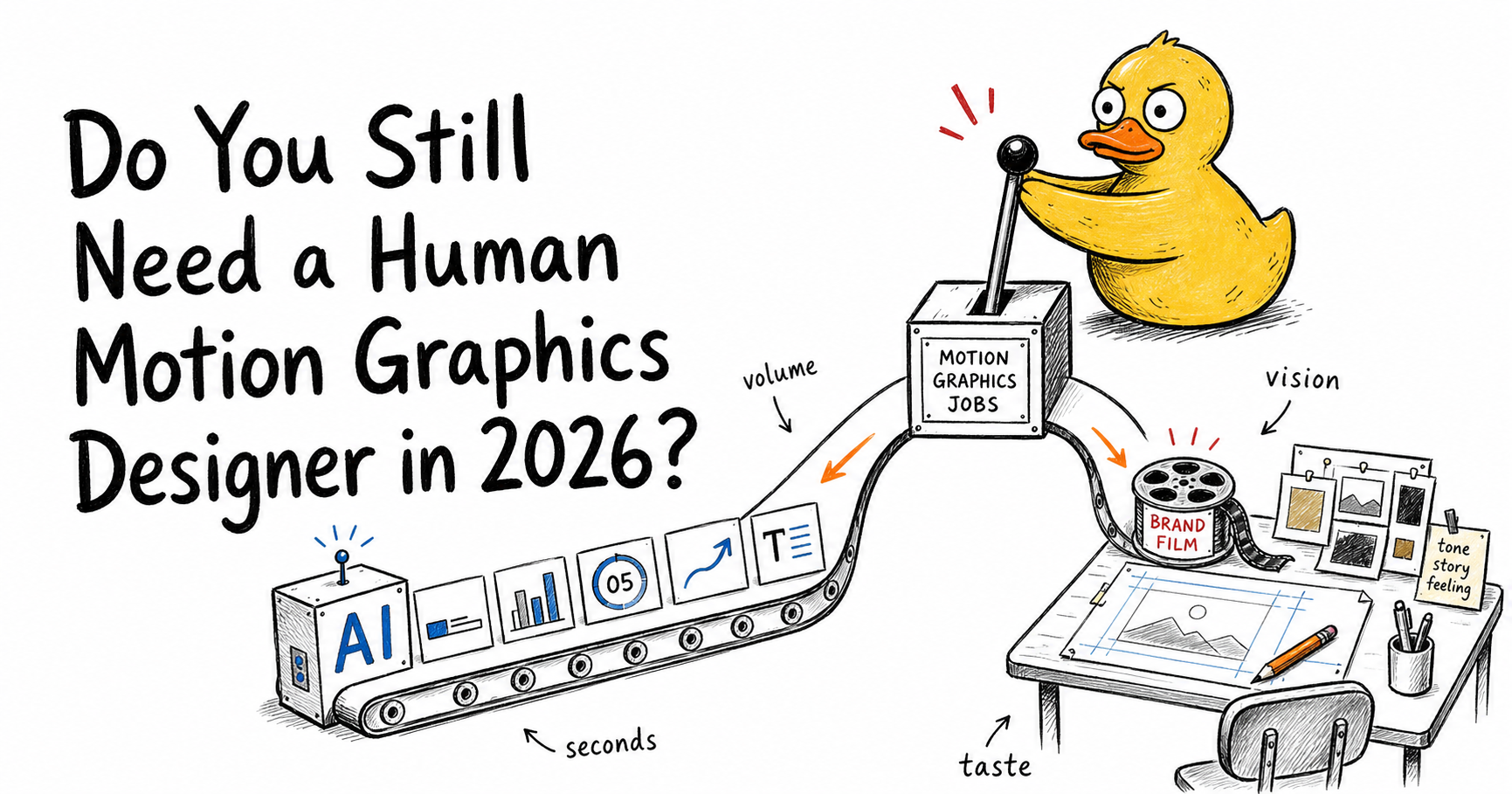
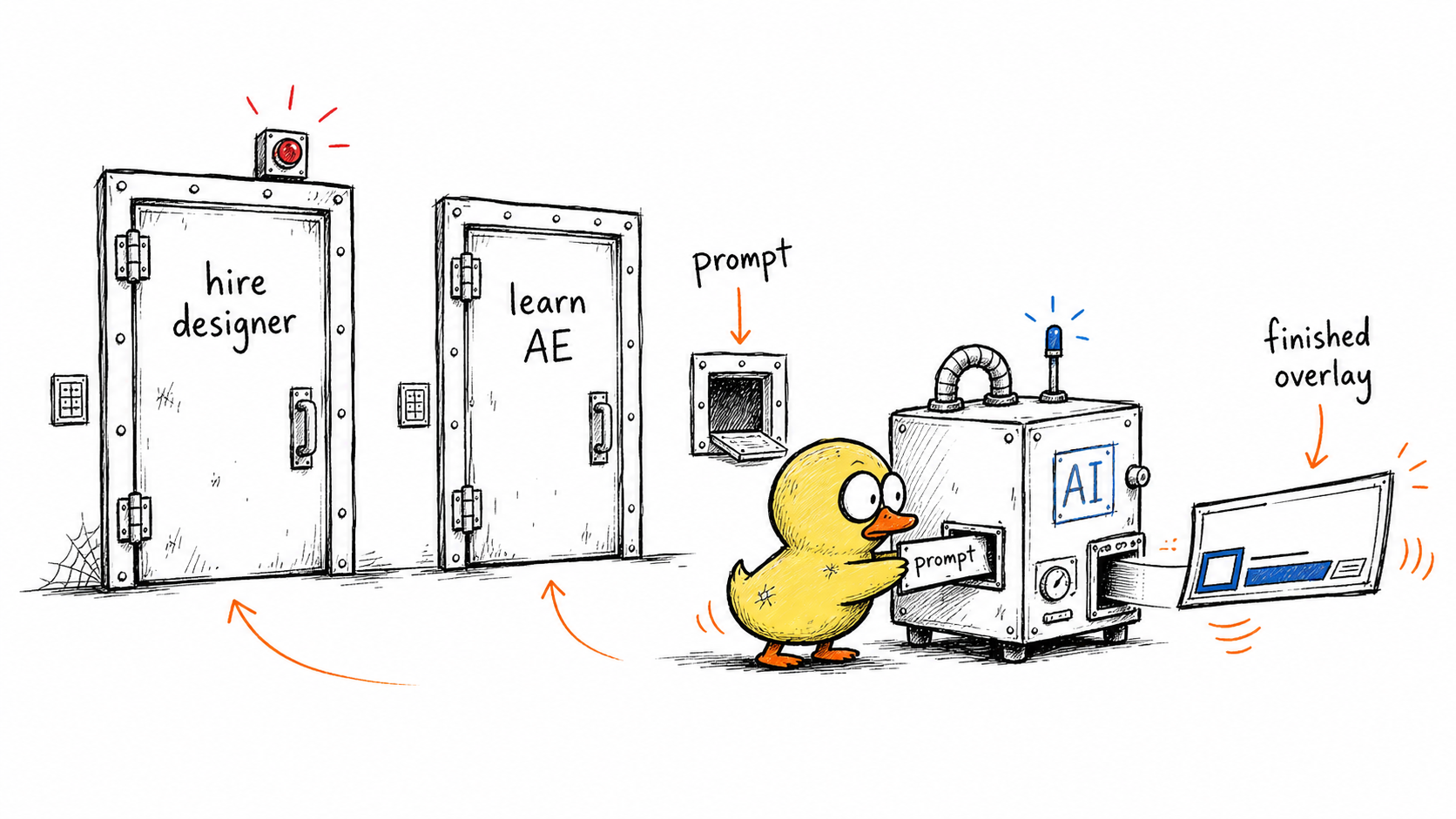
A year ago, if you wanted motion graphics for your videos, you had two options. Hire a freelance motion designer at $50 to $150 per hour, or learn After Effects yourself. Both options were slow, expensive, or both.
In 2026, AI motion designers have created a third option. Tools that generate professional motion graphics from a text prompt in seconds. No design skills. No freelancer timelines. No back-and-forth on revisions.
This has created an obvious question for every marketing team, content creator, and business owner: do you still need a human motion graphics designer?
The honest answer is that it depends on what you are making. This article breaks down exactly when an AI motion designer is all you need, when a human designer is still worth hiring, and how the smartest teams are combining both. For the tool category itself, start with the AI motion graphics generator guide.
Quick Answer
In 2026, many teams do not need a human motion graphics designer for every video asset. An AI motion designer is often enough for high-volume, repeatable motion graphics such as animated titles, lower thirds, charts, counters, social overlays, callouts, checklists, and simple branded explainers. It is faster, cheaper, and easier to iterate than hiring a freelancer or opening After Effects for each asset. A human motion designer is still worth hiring for brand motion systems, high-end campaigns, film or broadcast work, complex character animation, novel creative concepts, and projects where subtle creative judgment matters. The smartest workflow is usually hybrid: use AI for everyday production and volume work, then bring in human designers for vision, strategy, and high-stakes polish. That keeps quality high without making every video dependent on expensive manual animation work for routine assets.
What Does an AI Motion Designer Actually Do?
An AI motion designer is a tool that generates motion graphics from text descriptions. You write a prompt like "animated bar chart showing quarterly revenue growth, blue colour scheme, transparent background" and the AI produces a fully animated graphic ready to export.
This is not a template system. You are not picking from a library of pre-made animations and swapping out text. The AI generates custom motion graphics based on your specific instructions. Different prompts produce different results.
What AI motion designers handle well:
| Category | Examples |
|---|---|
| Data visualisations | Bar charts, line graphs, pie charts, counters, and comparison graphics |
| Text animations | Titles, lower thirds, quote cards, captions, and call-to-action overlays |
| Informational graphics | Process flows, timelines, checklists, and list reveals |
| Simple branded elements | Logo animations, social proof counters, and metric highlights |
| Annotation overlays | Callouts, highlights, arrows, and emphasis graphics |
These categories cover the vast majority of motion graphics that businesses and creators actually need on a regular basis.
For a direct software comparison, see how an AI motion graphics designer compares with After Effects.
What Is the Real Cost of Hiring a Motion Graphics Designer?
Before comparing AI to human designers, it helps to understand what working with a human motion designer actually involves.
Direct Costs
A mid-level freelance motion designer charges between $50 and $100 per hour in most markets. Senior designers and agency rates run $100 to $200 or more. A single 10-second motion graphic typically takes 2 to 8 hours depending on complexity.
That means a simple animated title costs $100 to $400. A data visualisation with multiple animated elements costs $200 to $800. A full set of motion graphics for a single video can easily run $500 to $2,000.
For a team publishing weekly video content, that is $2,000 to $8,000 per month just for motion graphics. Annual cost: $24,000 to $96,000.
Hidden Costs
The hourly rate is only part of the expense. There are costs that do not show up on the invoice:
| Hidden cost | Why it matters |
|---|---|
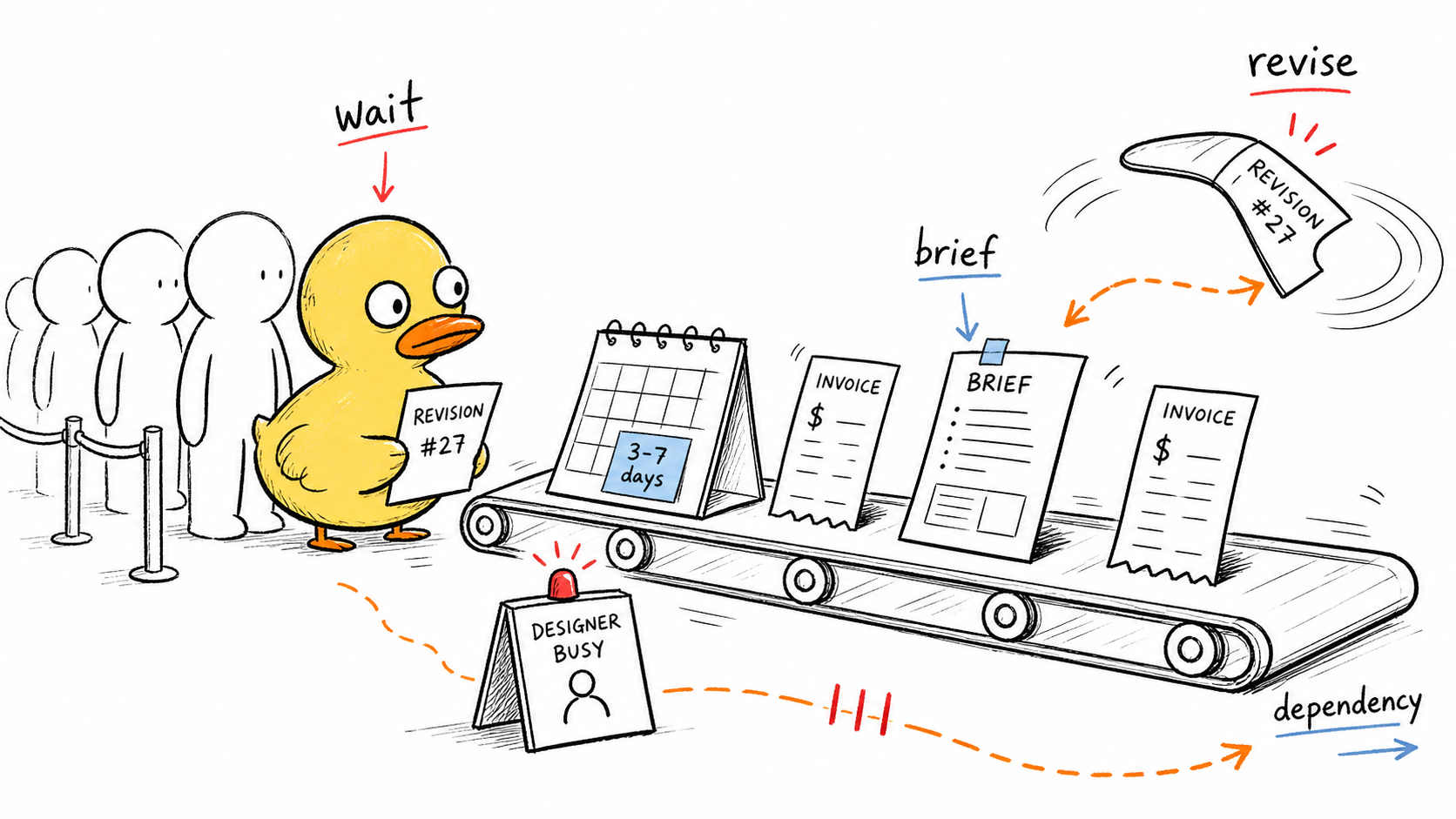
| Turnaround time | Most freelance motion designers have a 3 to 7 day turnaround, which can delay a tight content schedule. |
| Revision cycles | Each round of changes adds time and sometimes cost, even for simple updates like changing a chart color. |
| Communication overhead | Briefs, references, and calls take time away from creating content. |
| Dependency risk | If your designer is unavailable, your video production quality can drop overnight. |
When These Costs Make Sense
Hiring a human motion designer makes sense when the quality requirements are exceptionally high, the project is complex enough to require creative judgment, or the work involves brand-level design decisions that will be used for years.
For everything else, the cost-benefit equation has shifted dramatically.
Where Do AI Motion Designers Excel?
AI motion graphics tools have specific strengths that make them better than human designers for certain categories of work.
Speed
An AI motion designer generates a finished motion graphic in seconds. Not hours, not days. Seconds. This changes the entire production workflow.
When motion graphics take seconds to create, you use them differently. Instead of reserving them for your most important videos, you add them to everything. Every video gets animated titles. Every data point gets visualised. Every CTA gets an animated overlay.
Speed also means you can iterate in real time. If the first result is not quite right, you adjust the prompt and regenerate. The whole cycle of creating, reviewing, and refining takes minutes.
Cost
AI motion graphics tools cost a fraction of what a freelance designer charges. For the price of a single motion graphic from a freelancer, you can access an AI tool for an entire month and create unlimited graphics.
This is not just a cost saving. It changes what is economically rational. When motion graphics are essentially free to create, the decision changes from "is this video important enough to justify motion graphics?" to "why would we not add motion graphics to every video?"
Consistency
Human designers have style variation between projects and even between days. An AI motion designer produces consistent output when given consistent prompts. If you include the same style notes and colour specifications in every prompt, every motion graphic will have a cohesive look.
This is particularly valuable for brands publishing high volumes of content. Visual consistency across dozens of videos per month is hard to maintain with human designers, especially if you work with multiple freelancers. With AI, it is built into the workflow.
Accessibility
The biggest advantage of AI motion designers is that they remove the skill barrier entirely. You do not need to understand keyframes, easing curves, or compositing. You do not need to know what a bezier handle is. You describe what you want in plain language, and the tool creates it.
This means motion graphics are no longer gatekept by technical expertise. A founder can create them. A social media manager can create them. A sales team can create them for their demo videos. Anyone who can write a sentence can make a motion graphic.
Where Do Human Motion Designers Still Win?
AI motion designers are not a complete replacement for human talent. There are categories of work where human designers still deliver meaningfully better results.
Complex Brand Identity Systems
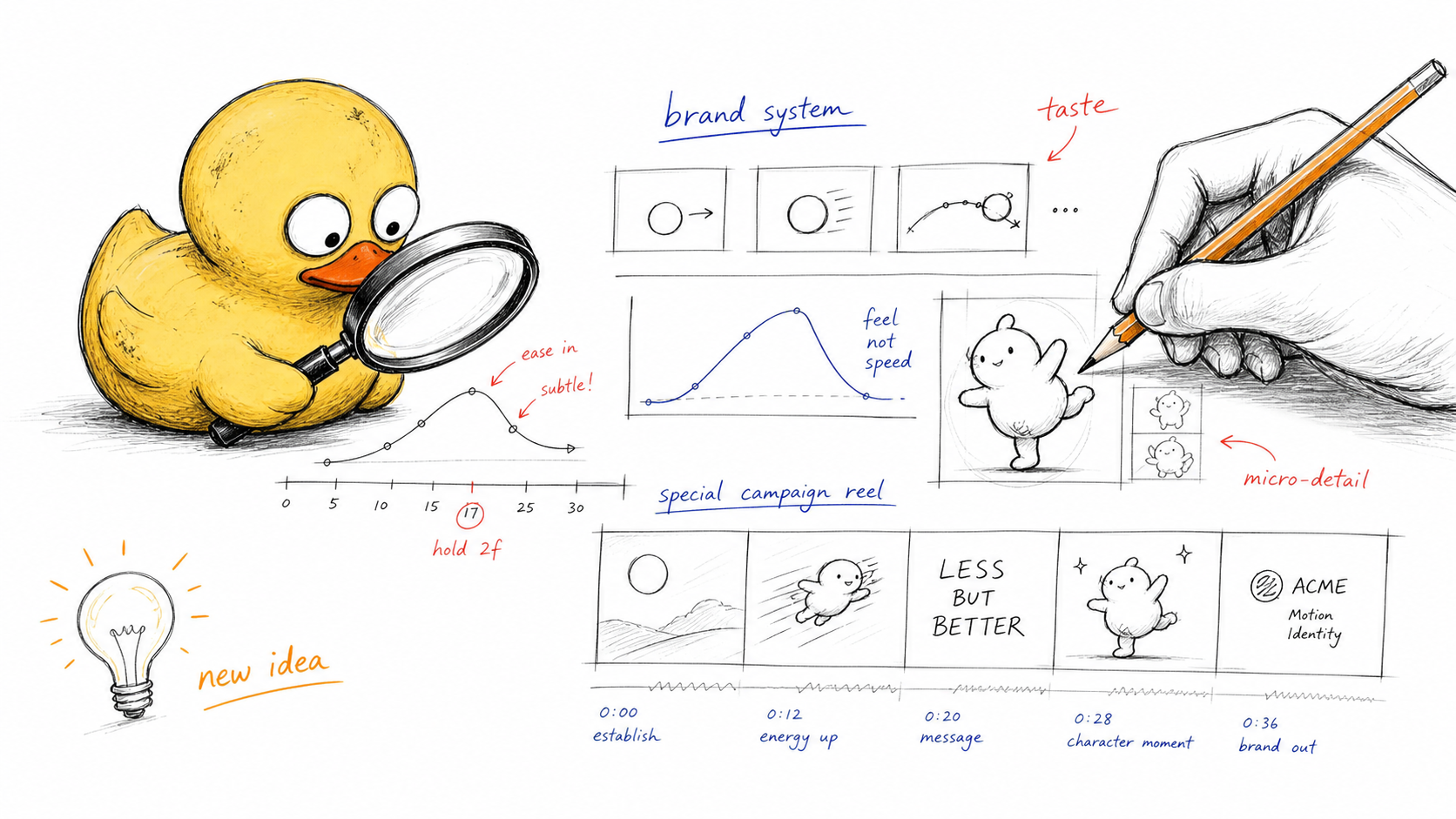
When a company is building a comprehensive motion identity like a system of animations that define how the brand moves, transitions, and expresses itself across every touchpoint, that requires creative strategy and artistic judgment that AI does not provide.
A human motion designer does not just create individual graphics. They develop a visual language: how elements enter and exit, what the brand's animation personality feels like, how motion reinforces the brand's values. This is conceptual work that requires understanding brand strategy, not just executing on a prompt.
High-End Commercial Production
Television commercials, film title sequences, major product launch videos, and broadcast graphics have quality bars that require human refinement. The difference between a good motion graphic and a great one at this level is in the micro-details: the way a shadow falls, the precise easing on a transition, the subtle texture in a background element.
For productions with budgets in the tens of thousands, the incremental quality from a senior motion designer is worth the cost.
Novel Creative Concepts
If you need something truly original like a motion graphic style that does not have clear precedents or reference points, a human designer's creative problem-solving is irreplaceable. AI generates based on patterns it has learned. Human designers can invent new patterns.
Character Animation and Illustration
Motion graphics that involve custom illustrated characters, mascots, or complex narrative sequences are beyond what current AI motion graphics tools handle well. If your video needs a character walking through a scene while interacting with UI elements, you need a human animator.
The Smart Approach: AI for Volume, Humans for Vision
The most effective teams in 2026 are not choosing between AI and human motion designers. They are using both strategically.
| Who handles it | Best work type | Why |
|---|---|---|
| AI | Animated titles, data visualisations, callouts, and lower thirds for every video | This work is high-volume, straightforward, and benefits most from speed. |
| Human designers | Brand identity development, high-stakes campaign creative, and novel visual concepts | These projects need creative judgment, artistic vision, and brand-level decisions. |
This split typically means teams can reduce their motion design freelancer budget by 60 to 80 percent while actually increasing the total volume of motion graphics in their content. The human designer focuses on the work that actually requires human skill, and AI covers everything else.
How to Start Using an AI Motion Designer Today
If you are currently paying for motion graphics or going without them because of cost and complexity, here is how to transition.
Step 1: Audit Your Current Motion Graphics Needs
Look at your last 10 videos and identify every place where a motion graphic would have added value. Common spots include:
- Video title and intro
- Speaker name and title (lower third)
- Key statistics and data points
- Process or workflow explanations
- Quotes and testimonials
- Calls to action
Most teams find they need 5 to 15 motion graphics per video but are currently using 0 to 3 because of the effort involved.
Step 2: Build Your Prompt Library
For each type of motion graphic you commonly need, write a base prompt that includes your brand's style preferences. For example:
Base title prompt: "Animated title text with clean fade-in animation. White text, modern sans-serif font, subtle accent line in brand blue (#2563EB), transparent background."
Base stat counter prompt: "Animated counter with bold number counting up from 0. Label text below. Clean minimal style, brand blue accent, transparent background."
Having base prompts ready means you can create motion graphics in seconds by just swapping in the specific text and numbers for each video.
Step 3: Integrate into Your Editing Workflow
Use Malloy Studio to generate your motion graphics. The workflow fits naturally into any video production process:
- Edit your video as usual in Premiere Pro, DaVinci Resolve, Final Cut Pro, or CapCut
- Identify where motion graphics should go
- Open Malloy Studio and generate each motion graphic from a prompt
- Export with transparent background
- Import and layer over your footage
After a few videos, this becomes second nature. The time to add a motion graphic drops from "not worth it" to "why wouldn't I."
Step 4: Reserve Human Designers for High-Impact Work
If you currently work with a freelance motion designer, you do not need to stop entirely. Redirect their time to the projects that benefit most from human creativity:
- Annual brand refresh
- Major campaign launch videos
- Product demo animations that require custom illustration
- Conference and event presentations
For everything else, let AI handle it. Your designer will probably prefer this arrangement too, since it means they get to focus on the interesting creative work instead of cranking out lower thirds.
The Numbers That Matter
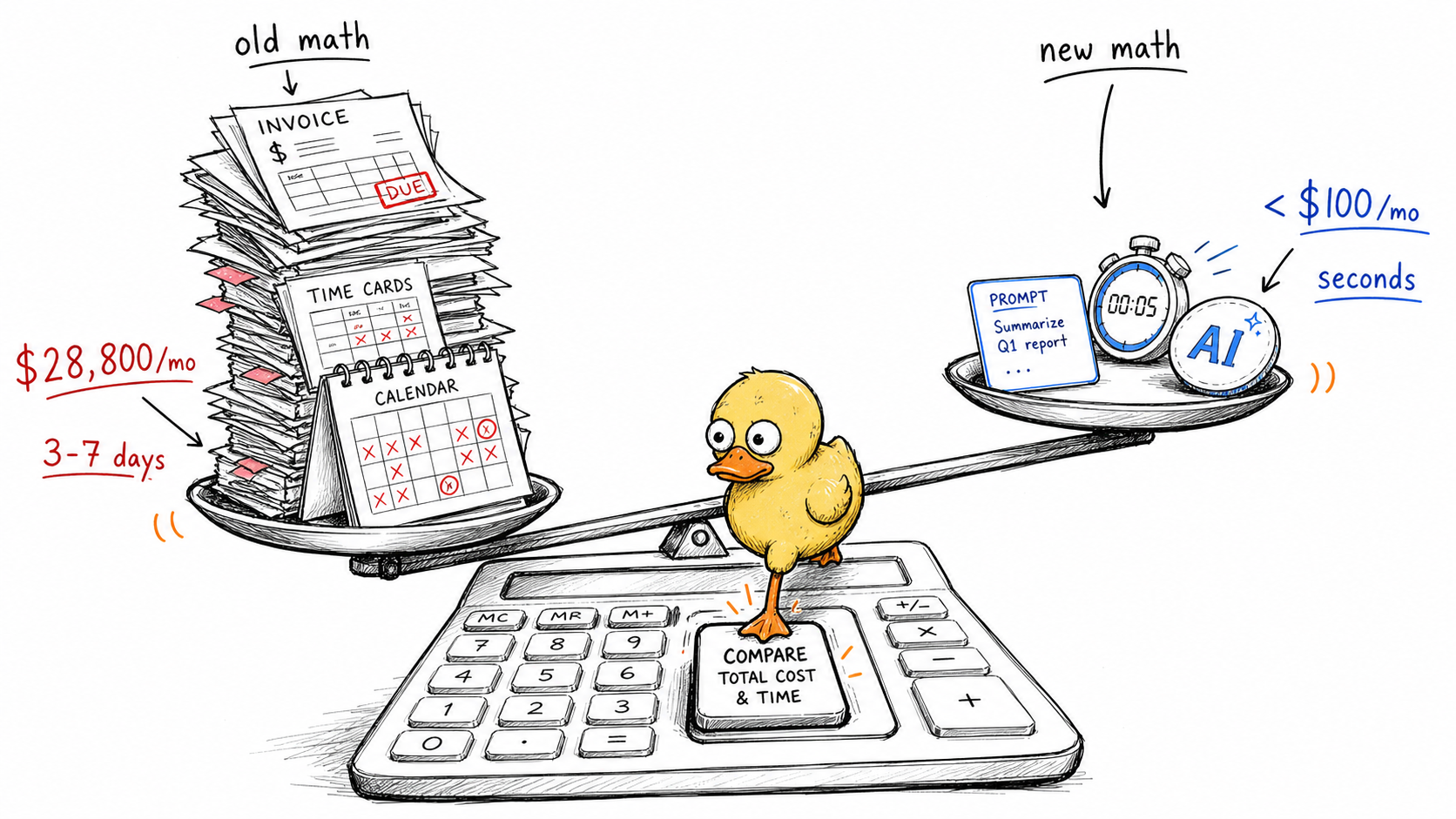
Here is a simple comparison for a team publishing 4 videos per week with 8 motion graphics per video.
| Metric | Traditional approach | AI motion designer approach |
|---|---|---|
| Motion graphics per week | 32 | 32 |
| Average effort per graphic | 3 hours at $75/hour | 2 minutes |
| Weekly cost or time | $7,200 | About 1 hour |
| Monthly cost | $28,800 | Under $100 for the tool |
| Turnaround | 3-7 days per batch | Seconds |
The math is not subtle. For routine motion graphics work, AI is not just cheaper. It is a different order of magnitude.
What This Means for Motion Designers
If you are a motion graphics designer reading this, the shift is real but it is not a death sentence. The demand for motion graphics is exploding because AI has made them accessible. More people using motion graphics means more people discovering that they need custom, high-end work that goes beyond what AI can produce.
The motion designers who will thrive are the ones who move up the value chain. Focus on creative direction, brand motion identity, complex narrative animation, and the strategic decisions about how motion supports a brand. These are the skills that AI does not replicate and that become more valuable as basic motion graphics become commoditised.
The motion designers who are most at risk are those whose work is primarily execution: taking a brief and producing straightforward graphics to spec. That work is exactly what AI does well.
FAQ
What is an AI motion designer?
An AI motion designer is a tool that creates motion graphics from prompts instead of requiring a human to build every animation manually. It can generate common video assets like titles, data visualisations, lower thirds, counters, callouts, and explainer graphics.
The best use case is routine production work where speed, clarity, and repeatability matter.
Can AI replace a human motion graphics designer?
AI can replace some routine motion graphics execution, especially simple overlays, charts, list reveals, and social video assets. It is much faster for repeatable graphics that do not need deep custom art direction.
AI does not fully replace human motion designers for brand systems, complex storytelling, high-end animation, or creative direction. Those still benefit from human taste and judgment.
When should I still hire a human motion designer?
Hire a human motion designer when the work defines your brand, needs original visual language, involves complex animation, or has a high creative bar. Product launches, campaign films, broadcast packages, and major brand refreshes are good examples.
Use AI for the everyday motion graphics that support your videos. Use humans for the work that shapes the identity of your brand.
How much time can an AI motion designer save?
An AI motion designer can reduce routine motion graphics work from hours per asset to minutes. The biggest savings come from recurring assets like lower thirds, charts, counters, callouts, and animated lists.
The more videos you publish, the more the time savings compound because the same workflows repeat every week.
Who should use an AI motion designer?
AI motion designers are useful for creators, marketers, founders, editors, educators, agencies, and small teams that publish video regularly. They are especially helpful when a team wants polished graphics but does not have a dedicated motion designer.
They are less suited to teams that need highly bespoke, frame-perfect animation for every project.
Related articles
Keep reading
December 30, 2025
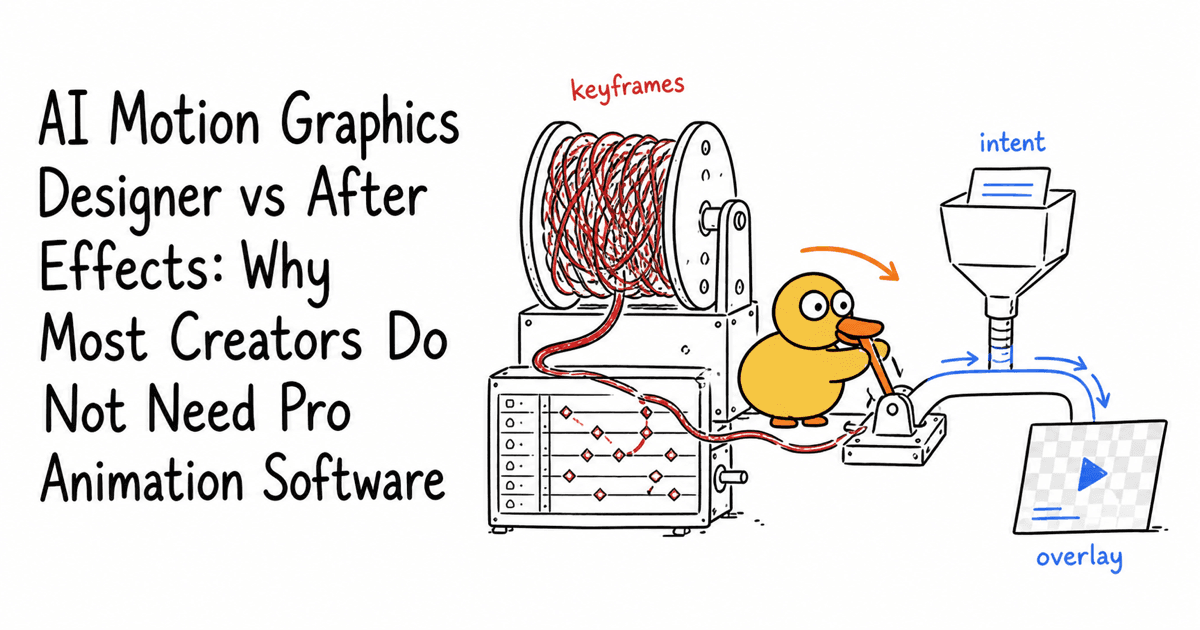
AI Motion Graphics Designer vs After Effects: Why Most Creators Do Not Need Pro Animation Software
After Effects is powerful but overkill for most creators. Learn why AI motion graphics tools like Malloy Studio are the smarter choice in 2026.
June 8, 2026
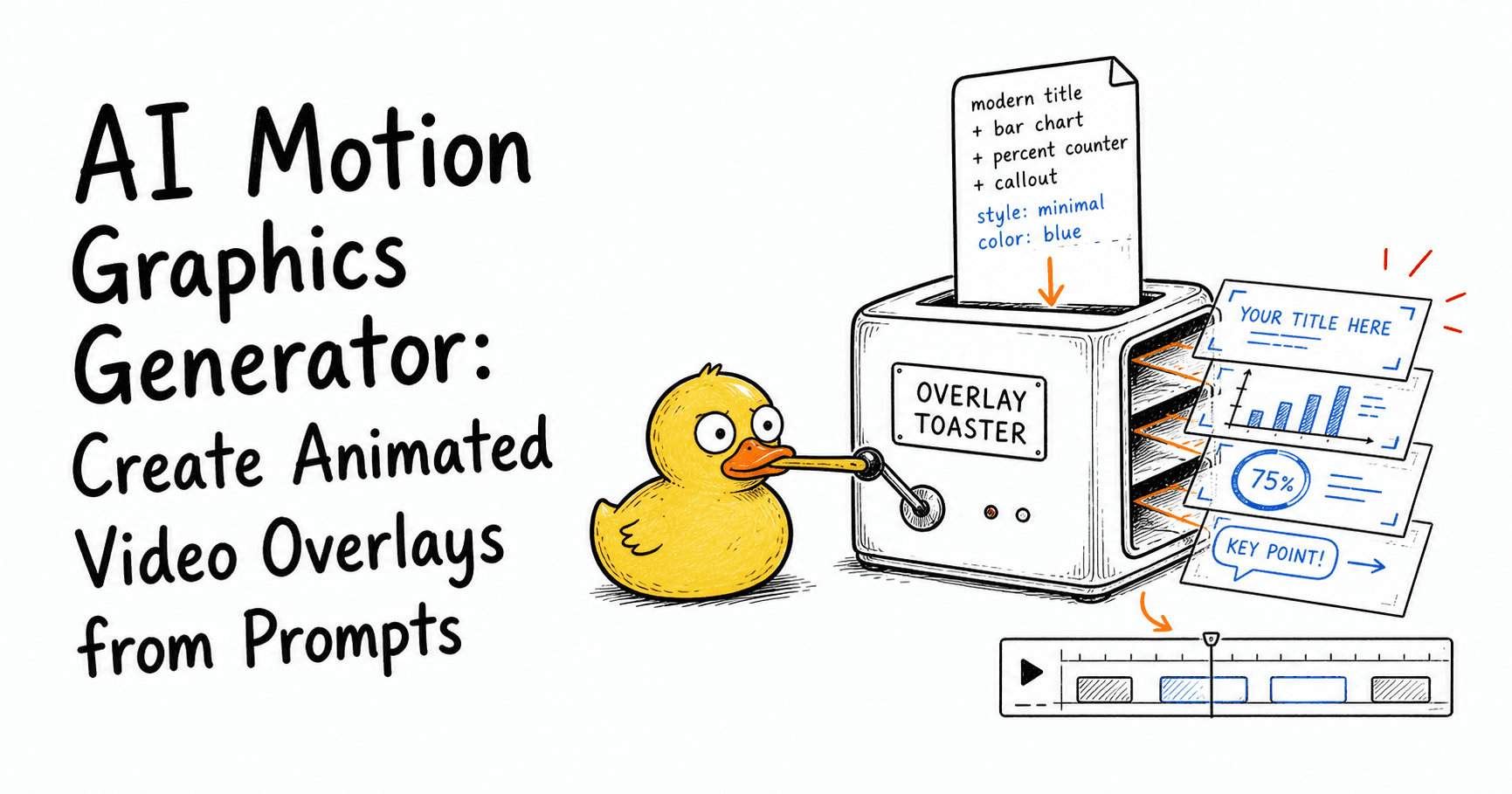
AI Motion Graphics Generator: Create Animated Video Overlays from Prompts
Learn what an AI motion graphics generator is, how it works, what to use it for, and how to create animated titles, charts, callouts, counters, and overlays from prompts.

May 25, 2026
Best AI Motion Graphics Tools in 2026: 7 Options Ranked for Creators and Marketing Teams
Compare the best AI motion graphics tools in 2026 for creators, editors, marketers, and product teams. See when to use Malloy Studio, Runway, Kapwing, Canva, Adobe Express, Rive, and LottieFiles.
The Bottom Line
Do you still need a human motion graphics designer in 2026? For most of your day-to-day motion graphics needs, no. An AI motion designer handles titles, data visualisations, lower thirds, callouts, and other common motion graphics faster and cheaper than any freelancer.
For brand-level creative work, complex animations, and genuinely novel visual concepts, human designers are still essential and will be for a long time.
The winning strategy is not either/or. Use AI to put motion graphics in every video you publish. Use human designers for the creative work that defines your brand. You will spend less, produce more, and raise the overall quality of your content.
Try Malloy Studio and see what an AI motion designer can do for your video content.